


I've bought more power banks than I've bought cars, and every one of them has had a high number stamped in a huge font across the box: mAh. Bigger number, better deal, right? While it is generally true that bigger batteries are always better on phones, every time I've leaned on one of these things during a long travel day, or tried to coax a laptop charge out of one between meetings, the real numbers never quite lined up with what the listing implied, forcing me to learn what to look out for when buying a laptop power bank.
After enough of those letdowns, I went looking for why, and the answer had less to do with battery quality than I expected. It came down to a spec many brands technically provide, but rarely make as obvious as the giant mAh badge on the box.
That giant mAh number doesn't mean what you think
A 20,00mAh power bank is never going to hand over 20,000mAh

mAh measures electric charge over time, and charge only tells you something useful once you know the voltage at which it's measured. Most power banks advertise the charge capacity of their internal cells, which usually sit around a nominal 3.6V to 3.7V. That is the number on the box. The problem is that the USB output your phone, tablet, handheld, or laptop actually uses does not run at 3.7V.
Basic USB charging may operate at 5V, while USB Power Delivery can negotiate higher voltages such as 9V, 15V, and 20V. Newer USB PD 3.1 hardware can support 28V, 36V, and 48V for higher-power devices. So the mAh figure on your power bank reflects charging at an internal battery voltage that your device never directly sees.
A 20,000mAh power bank built with roughly 3.7V cells stores about 74 watt-hours of energy, since 20,000mAh times 3.7V, divided by 1,000, works out to around 74Wh. If you express that same 74Wh as a 5V-equivalent output, you end up with roughly 14,800mAh. That's more than a quarter less than the headline number before any conversion losses are factored in. The mAh figure didn't actually lie. It just described a different side of the battery than the one plugged into your phone.
This isn't an argument that mAh is useless. It works fine for comparing two products built around the same cell voltage and the same basic design. The trouble is that almost nothing on a typical listing tells you whether that's the case, and not every power bank uses identical cells. Stacking two mAh numbers side by side without that context is a bit like comparing prices in two currencies and skipping the exchange rate.
Enter watt-hours
That's the number brands should put in giant font
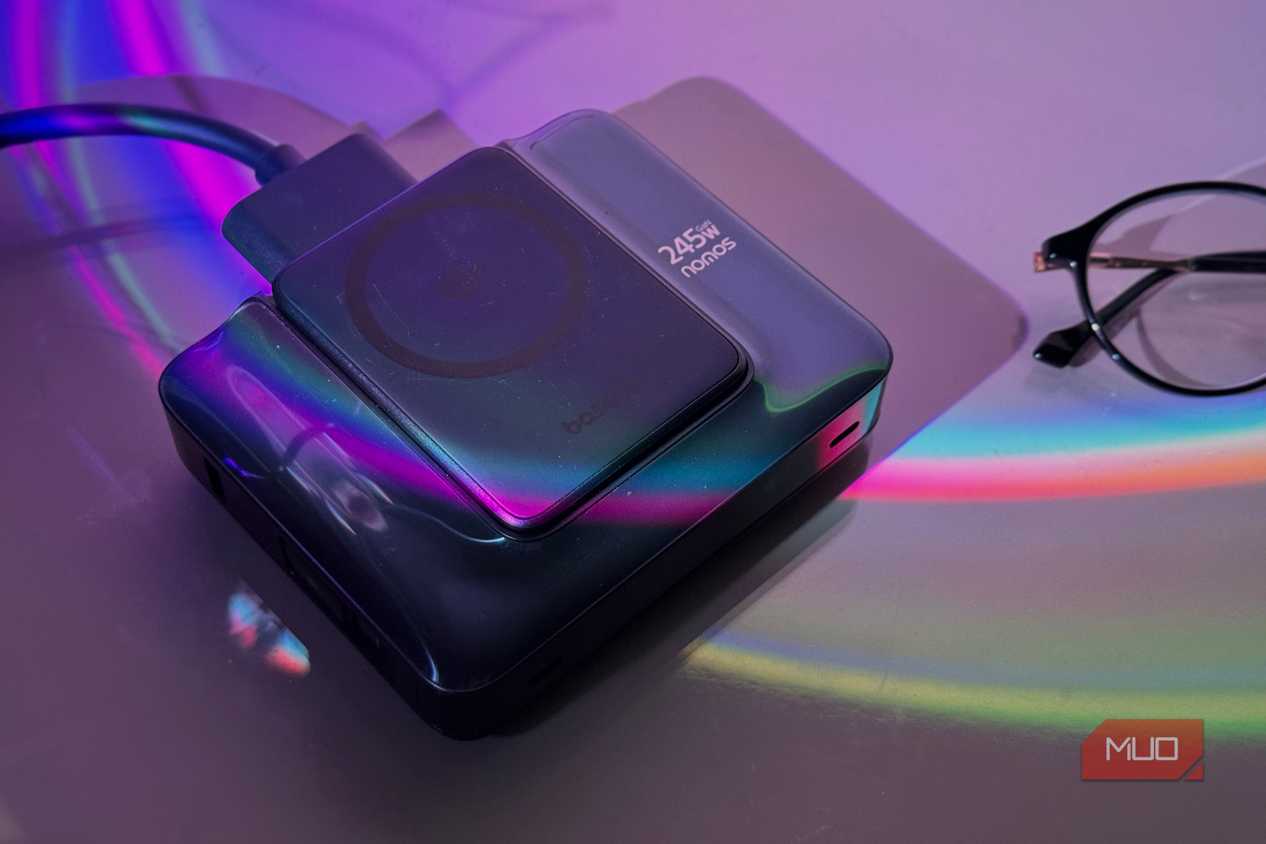
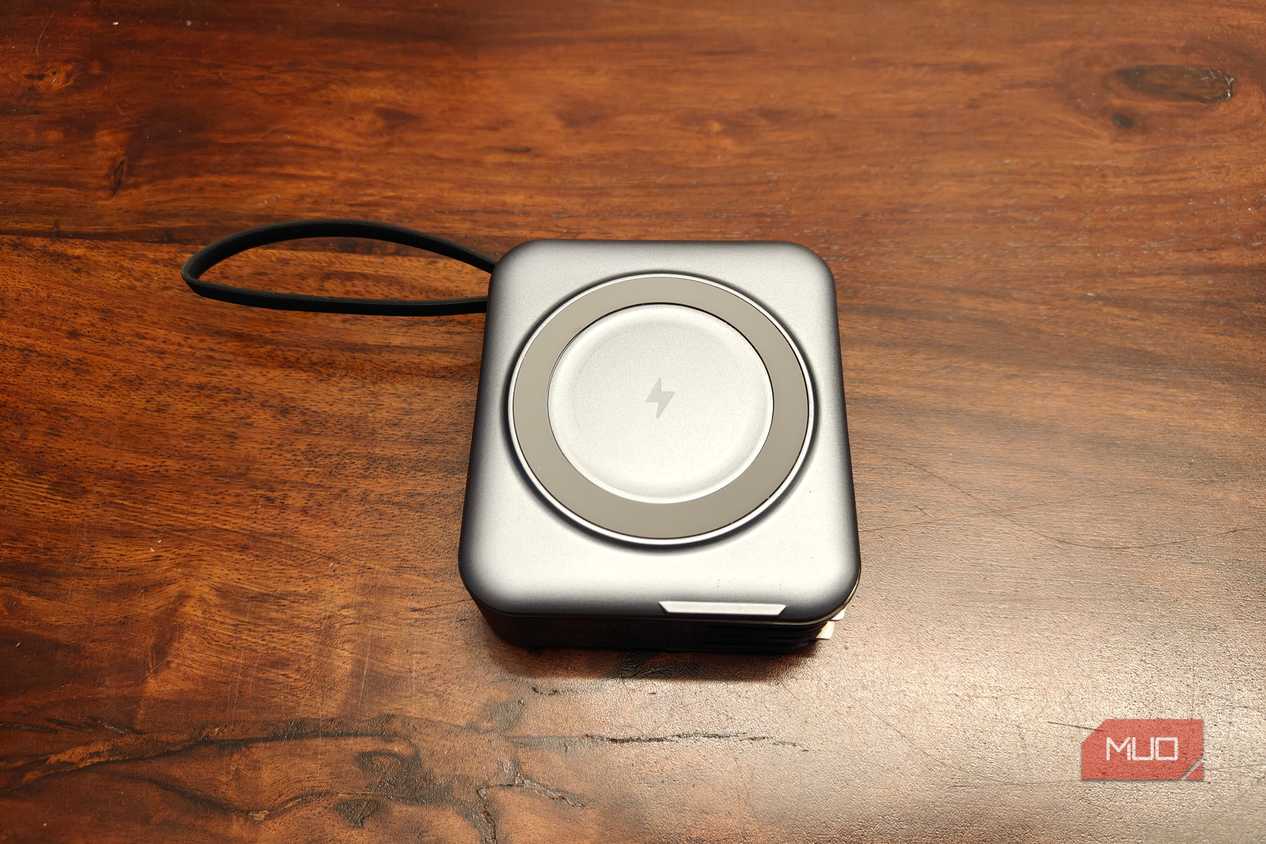
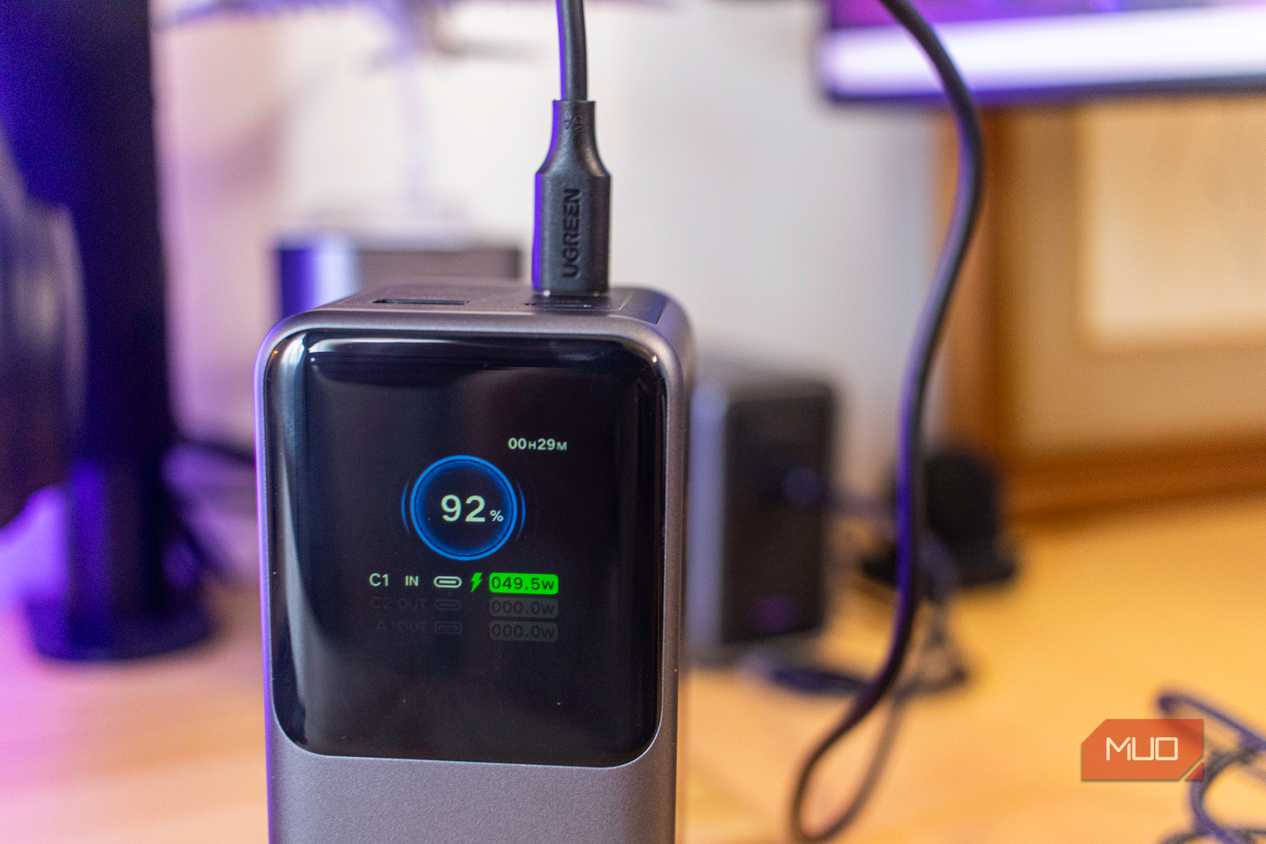
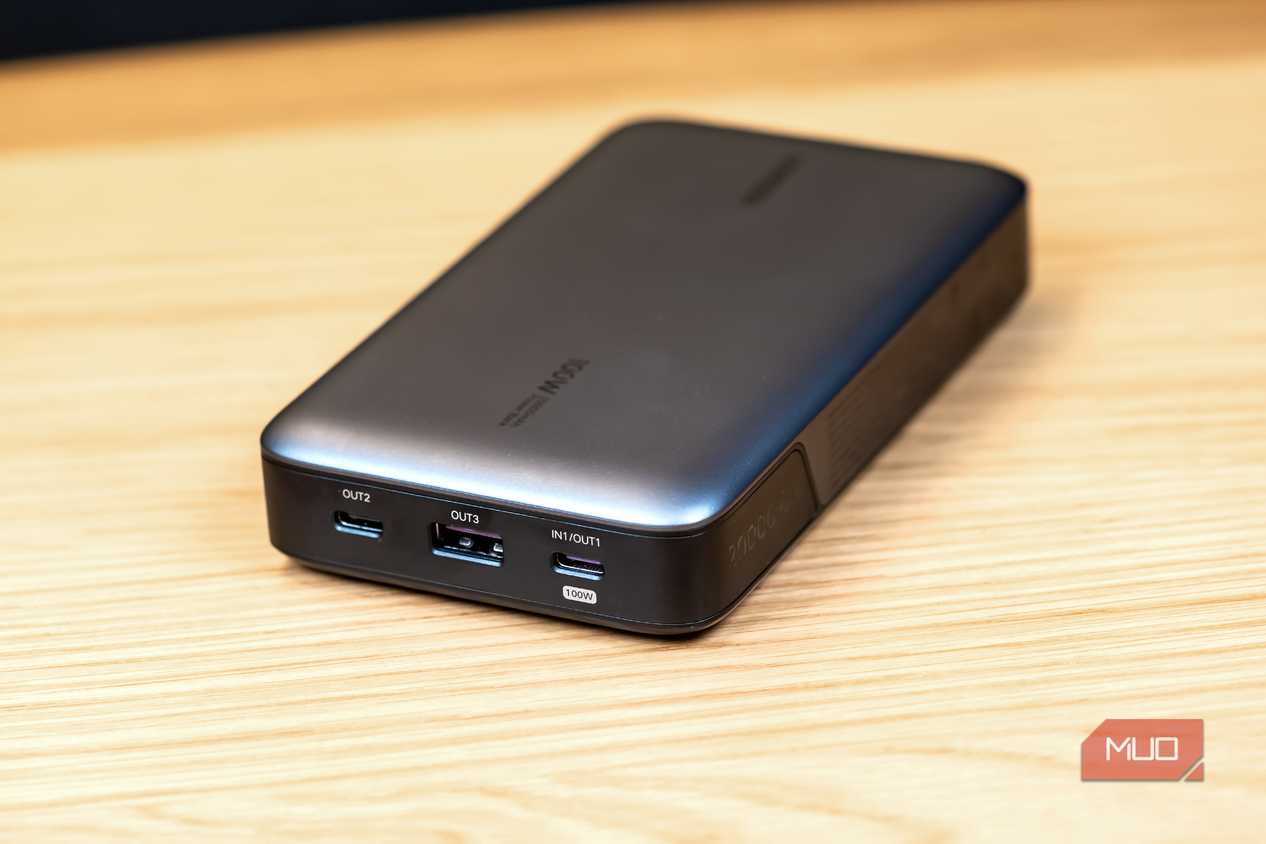
Sergio Rodriguez / MakeUseOf
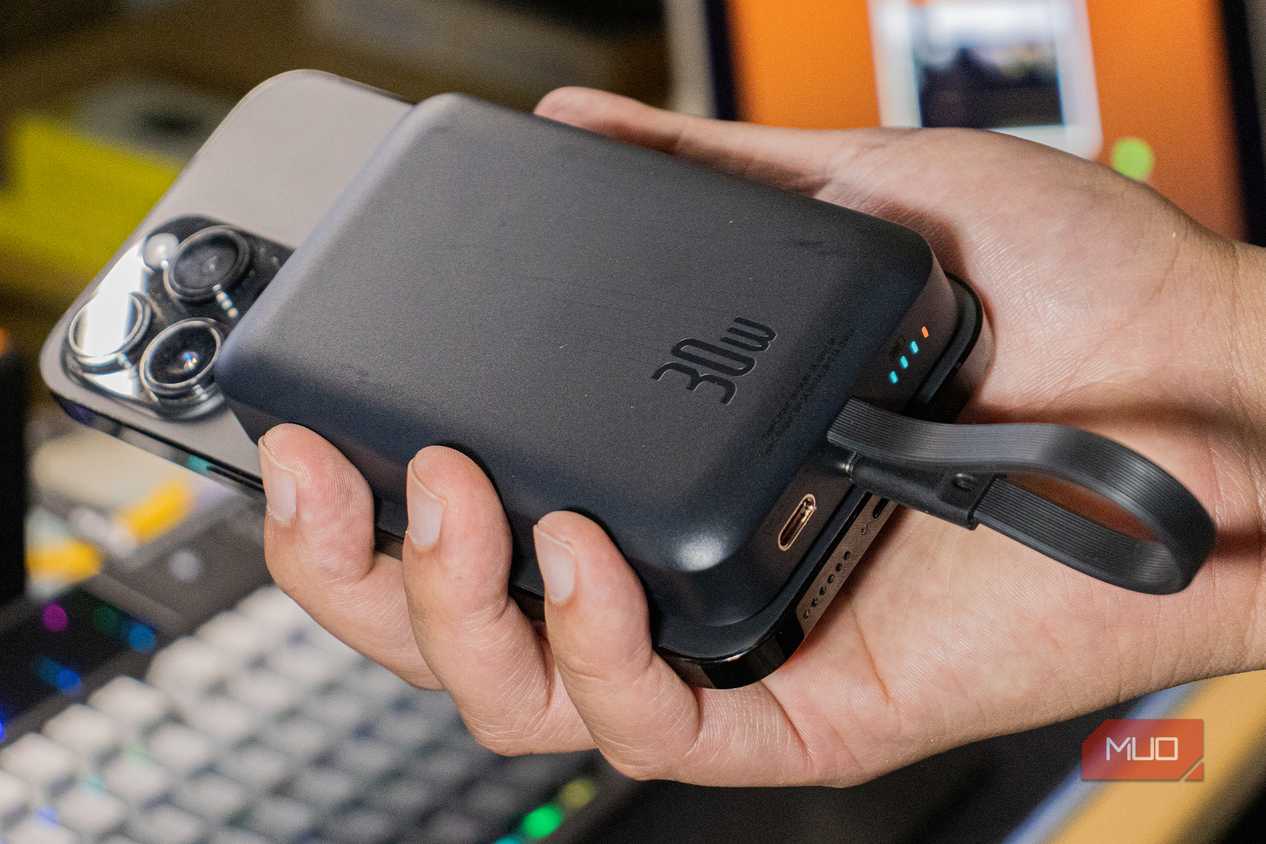


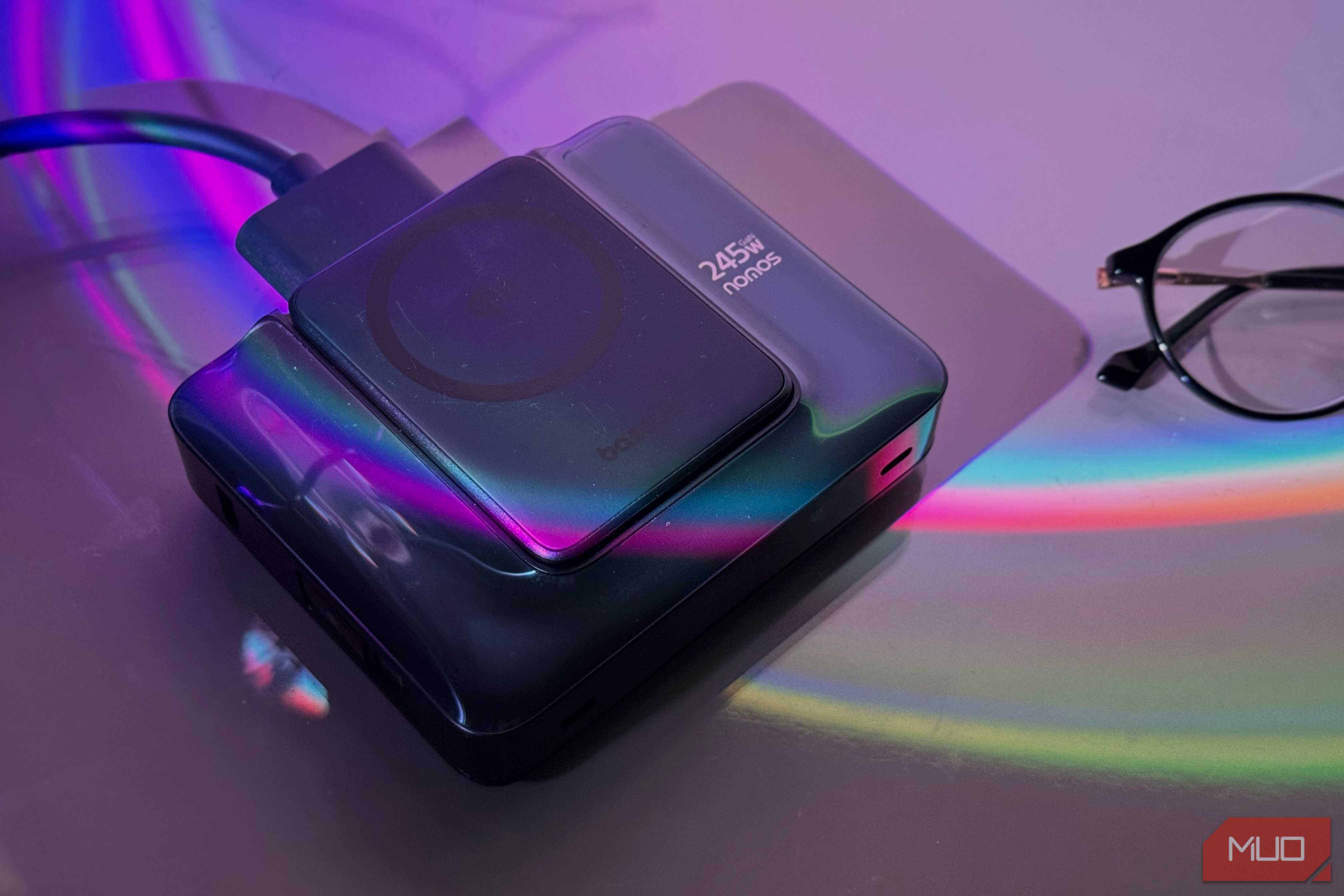
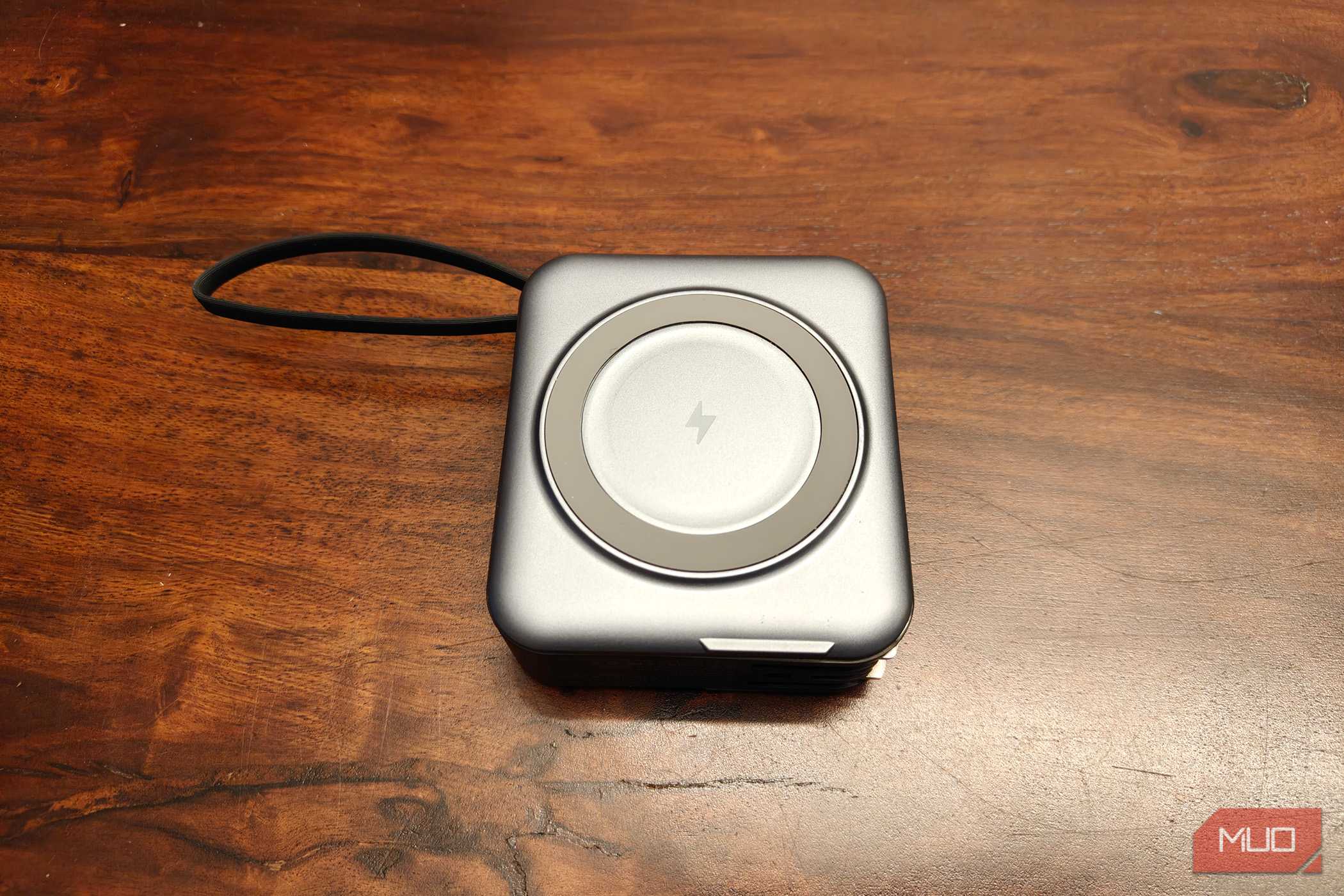
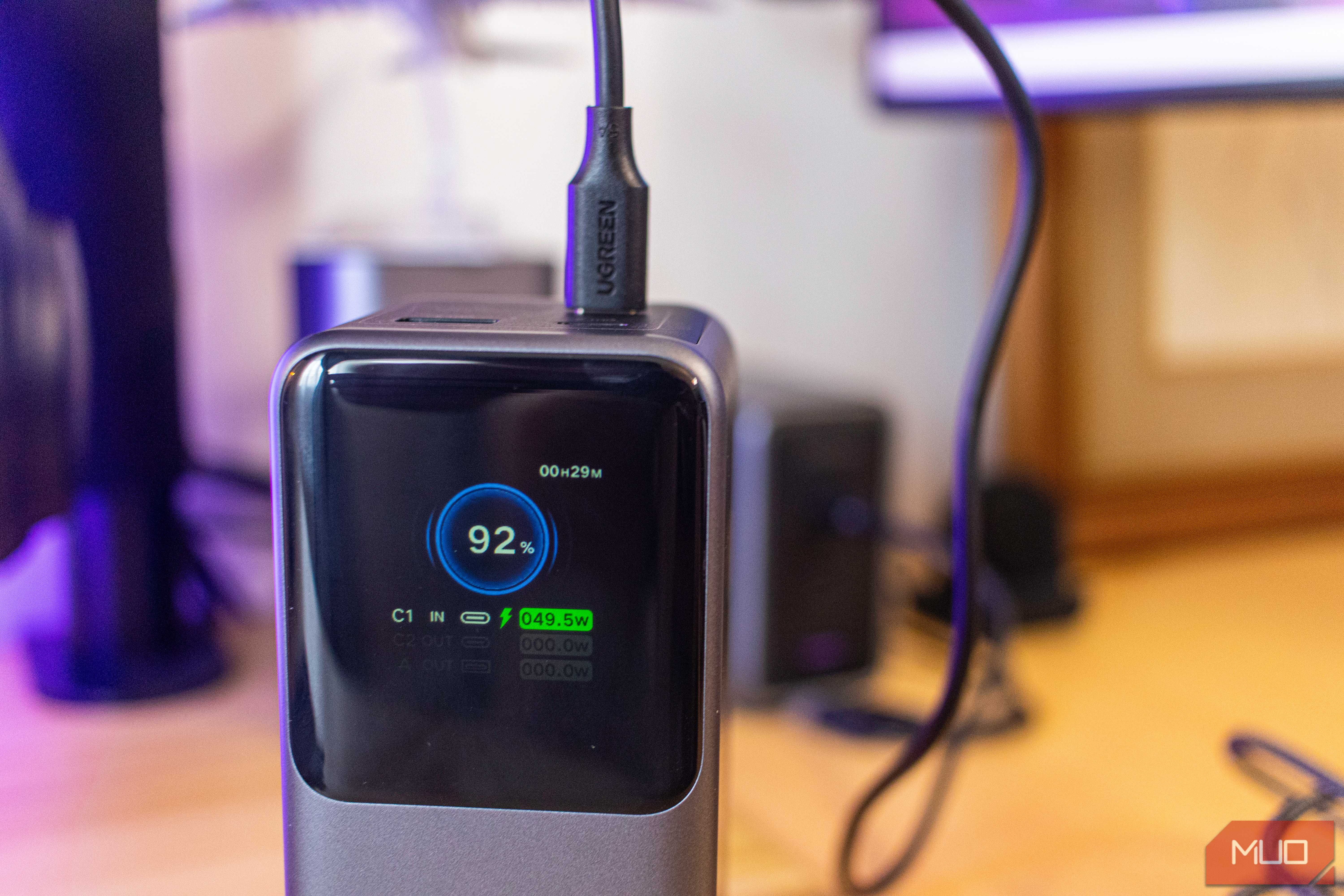
 Credit:
 Sergio Rodriguez / MakeUseOf
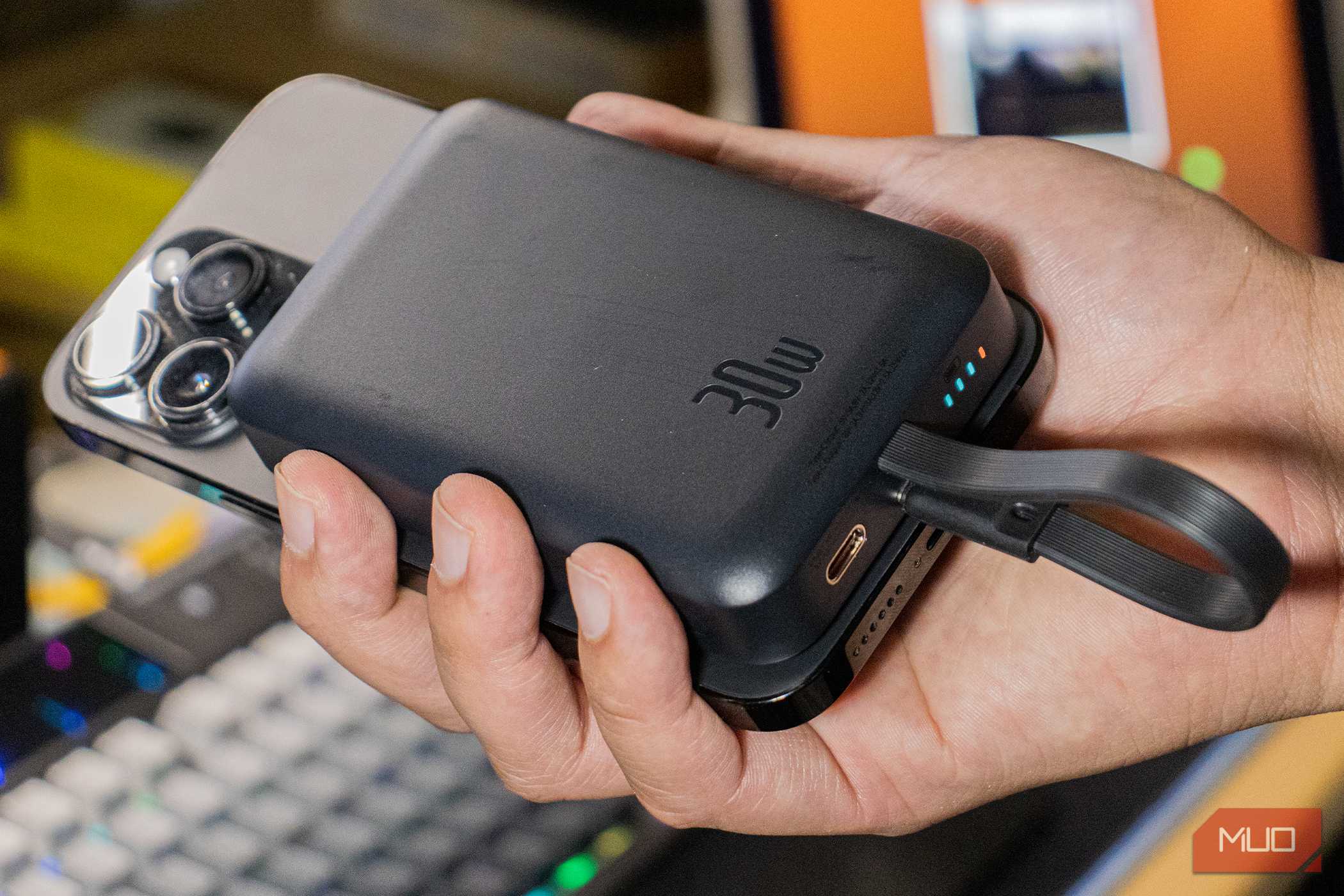


Watt-hours fix this because they measure energy directly, with voltage already baked in. Wh comes from multiplying mAh by voltage and dividing by 1,000, and once you have that number, it doesn't matter what voltage the cells run at or what voltage the output port uses. Two power banks with completely different internal designs can be lined up on Wh, and the comparison actually means something.
This matters most obviously at the airport. The FAA allows lithium-ion batteries up to 100Wh on passenger aircraft without special approval; batteries between 101 and 160Wh need airline sign-off, and anything above 160Wh doesn't fly at all. A 20,000mAh power bank at roughly 74Wh sits comfortably under that line. A power bank in the 26,000 to 27,000mAh range can land right around or just past 100Wh, depending on its exact cell voltage. That means two power banks that look similar on the mAh sticker can sit on opposite sides of the airline cutoff. mAh won't show you that. Wh shows you immediately.
It's also not a settled, check-it-once-and-forget-it rule. Several airlines tightened power bank policies after high-profile battery incidents, including rules requiring power banks to remain accessible rather than being buried in overhead bins. If you travel with one of these regularly, knowing your actual Wh figure and checking your airline's current policy is worth the thirty seconds it takes. Security staff and airline agents are not going to reverse-engineer your battery at the gate. They are looking for a clear, factory-printed rating that matches the rules. If the Wh figure is missing, illegible, or suspicious, the power bank may be refused before you fly.
There's also a quick way to sniff out sketchy listings. Divide a product's claimed Wh by its mAh (in amp-hours) to get the implied voltage. If a 20,000mAh power bank claims 100Wh, that implies 5V cells, which isn't how lithium-ion batteries work. That mismatch is a sign the numbers came from a marketing spreadsheet rather than the actual hardware.
What actually determines your charge
Capacity tells you how much it stores, not how useful it is

Wh gets you most of the way there, but it still isn't the whole picture. A power bank can store 90Wh and still be a poor laptop charger if its output stage can't push enough wattage. PD 3.0 tops out around 100W, while PD 3.1's Extended Power Range can reach up to 240W, though that's still rare in portable power banks. None of that shows up anywhere in the capacity rating.
Efficiency losses are unavoidable, too, and they're bigger. Well-built power banks tend to hold over 90% conversion efficiency, while budget units can drop to 75 to 80%, meaning a 20,000mAh, 74Wh bank might realistically deliver somewhere in the 55 to 60Wh range to your devices. As a rough rule of thumb, expect to use around 55–70% of the rated mAh figure once everything is accounted for. Heat makes this worse and is one of the main reasons your power bank won't last long; some power banks throttle output when warm or nearly empty. A cheap cable can cap things further, since higher-wattage charging depends on the cable being rated to carry it.
Matching the power bank to the device matters here, too. A phone battery sitting around 13 to 14Wh barely dents a 70-something Wh power bank, even with losses factored in. A Steam Deck's 40Wh battery takes a much bigger bite, and if the power bank's PD output is weak, it charges slowly regardless of how much energy is left in reserve. A laptop needs both sufficient capacity and enough wattage to charge at a usable rate, especially if you want the fastest charging available.
So here's what I actually check now: the Wh figure, calculated if it isn't listed, the PD wattage per port and as a shared total across ports, whether the supported voltages match what my devices actually request, how long the bank itself takes to recharge, and whether the brand publishes real specs instead of leaning on one big number. None of this means brands are lying. mAh is just the easiest number to make look impressive, which is exactly why it tells you the least on its own.

Ugreen Nexode Power Bank 20000mAh

- Brand
- Ugreen
- Battery Capacity
- 20000mAh
- Ports
- 2x USB-C, 1x USB-A
The Ugreen Nexode 20,000 mAh Fast Charging Power Bank will juice up your devices in less than an hour. It also has enough capacity to charge your smartphone twice over, delivering up to two days of power for regular use.
- Weight
- 474.65g (16.74oz.)
- Dimensions
- 54 x 51 x 131mm (2.1 x 2.0 x 5.2in.)
- Battery Technology
- Lithium-ion
Buy the fuel tank, not the sticker
I still glance at the mAh number out of habit, since it isn't going anywhere. But it's no longer the first thing I check, and it's never the only thing. A power bank's Wh figure and its PD output take about ten seconds to find or calculate, and together they tell you almost everything that giant number on the box was trying to imply. Next time a "45,000mAh!" badge catches your eye, do the quick math first. It might still be a great power bank. It just won't be a mystery anymore.